
Furnishing Your First Investment Property on a Budget

Acquiring your first investment property is a huge step that comes with a long list of processes. After the paperwork is signed and the keys are yours, the next move is to make the place renter-ready. However, renovating & furnishing an entire unit can feel overwhelming, especially when you’ve already made a sizable financial commitment.
According to Realtor.com, the average down payment for an investment property in Q4 2024 was 27.4%, which is almost double that of a regular home purchase. So, it makes sense to keep a close eye on what you spend next, especially if you’re hoping to boost rental income as soon as possible.
Furnishing a place from scratch doesn’t have to cost a fortune, but it’s easy to overspend if you’re not careful. Thankfully, there are practical ways to make the space look great and feel complete without blowing through your savings. Here are tips to furnish your first rental property without going over budget.
Prioritize Essential Furniture First
Before you even think about splurging on fancy vases or artwork, make sure you have the must-have furniture pieces that every room needs. For example, your living room should have a sofa, coffee table, and perhaps a TV stand.
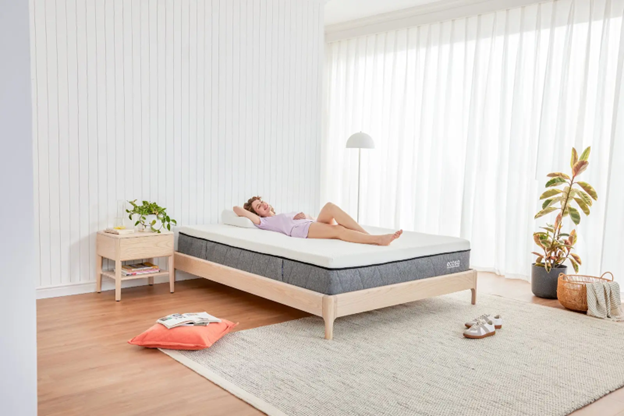
Meanwhile, the bedroom needs a bed frame, mattress, and nightstand. When setting up your bedroom, shop for the right mattress. For most renters, having a comfortable sleeping environment matters, and it’s one of the first things they may check when comparing properties.
While you might find it possible, it’s best not to furnish your entire home in one go. It can also be tempting to grab every trendy item that catches your eye, but starting with the basics helps you figure out what you really need. Once you’ve got the main pieces set up, take a moment to reassess your space before adding any extras.
Mix New and Pre-Owned Pieces
Buying everything brand new is a surefire way to blow your budget. Instead, mix new purchases with pre-owned pieces. You’ll find good-quality used furniture at a fraction of the original price if you know where to look. Local classifieds, garage sales, estate sales, and community marketplaces often offer well-kept items at budget-friendly prices.
Second-hand shopping is becoming more common, too. About 60% of people in the U.S. have bought second-hand items in 2022, a noticeable increase from 2019, according to recent consumer insights. (2)
Just remember, if you’re going for second-hand, take the time to inspect each piece. Check that the upholstery is clean, the legs and joints are sturdy, and there are no signs of mold or pests. When you combine used foundational pieces with some carefully selected new ones, you can create a stylish space that looks much more expensive than it really is.
Stick to a Cohesive Color Scheme
One easy and cost-effective way to make any space feel more pulled together is to follow a simple color scheme. Even if your pieces are mismatched, a coordinated palette can tie everything together nicely. Start with neutral base colors like gray, beige, or white, and then add some vibrant touches with accessories like cushions, curtains, or art pieces.
This approach also gives you flexibility. Neutral colors tend to age well and attract a wider range of tenants. If your property management style involves frequent turnovers, a neutral foundation means you won’t have to completely redo the setup every time a new tenant arrives.
Use Multi-Functional Furniture
When working with a tight budget, it pays to buy items that can do double duty. Choose a sofa bed instead of a regular couch. Look for ottomans with hidden storage. Get a dining table that can double as a work desk. The more functions a piece can serve, the more value you get from every dollar spent.
This approach is particularly beneficial for smaller homes, studio apartments, and small multi-family properties. Multi-functional pieces help reduce clutter and make the space feel bigger without adding more furniture.
In a survey of 258 apartment units, most participants reported challenges with limited space. They supported the use of multi-functional furniture as a smart solution to improve comfort, efficiency, and organization. These flexible pieces can make compact spaces feel more open and better equipped for daily living. (3)
Decorate With Purpose
You don’t need to spend a fortune to decorate your real estate investment, but it’s important to do it with intention. Overloading a room with too many decorative items can create chaos, while the right selections can really elevate the atmosphere. Focus on a few carefully chosen pieces, such as a lovely framed mirror, some neutral curtains, a few art prints, or a small indoor plant.
Use your decor to emphasize important areas rather than just filling every available space. This keeps your home looking neat and easy to clean, which will surely attract both short-term and long-term renters.
Invest in Durable, Easy-To-Clean Materials
Tenants can be tough on furniture, and even the most careful renters can wear things down over time. Thus, before renting out your property, it’s ideal to pick materials that can handle a bit of rough treatment.
Fabrics like microfiber or leather alternatives are usually easier to clean than light-colored linens, and they resist spills and stains better. When it comes to the frame, solid wood or metal legs tend to be sturdier than particle board.
This doesn’t necessarily mean you need to spend a fortune. There are plenty of budget-friendly choices that are both tough and easy to maintain. Just make sure to check the materials, read genuine reviews, and avoid items that look great but fall apart after a few months.
Make Use of Vertical Space
Storage is a big selling point in rentals. If you’re working with limited space, use your vertical space to your advantage. Add floating shelves, wall-mounted hooks, or tall, narrow bookcases. These additions are usually affordable and open up a room without crowding the floor.
A lot of renters actively seek out properties with practical storage solutions. In fact, a 2020 survey of 2,500 U.S. renters found that closet and storage space ranked among the top four most important amenities across all age groups, from Gen Z to Baby Boomers. That kind of priority shows just how valuable it is to make every inch count. (4)
Do Small DIY Projects To Upgrade the Look
Some minor upgrades don’t require hiring a contractor. You can paint a wall, replace outdated hardware on cabinets, or build a simple headboard with a few tools and some creativity. These touches make the space feel custom and polished, even if everything else is modest.
If you’re comfortable with basic tools and online video tutorials, DIY upgrades can save hundreds of dollars while giving your unit a professional finish. Making your rental more attractive can contribute to long-term property appreciation.
Key Takeaway
As you can see, furnishing your first real estate investment property doesn’t have to be expensive. With thoughtful planning, smart shopping, and a focus on durability and function, you can create a welcoming space on a tight budget. Remember, small savings add up quickly, and the result can still impress future tenants without blowing up your finances.


Compare Estate & Letting Agents
Find the best agent for your property. Compare fees, ratings & services for free!


